What We Do
Visconti Studio is a working recording studio inside a university. Records get made here, and the making of records gets studied here. The room is also a venue, a rehearsal space, a film set, and a classroom.
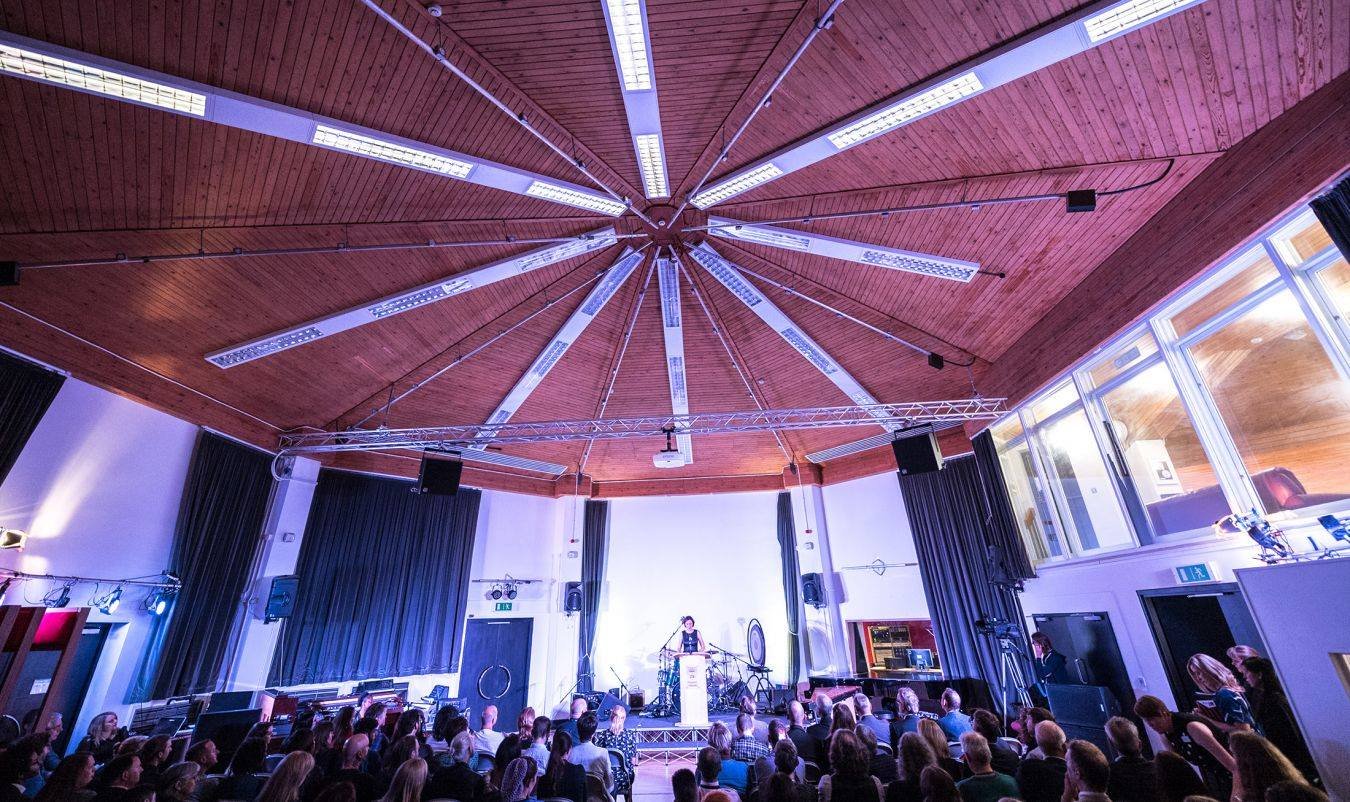
Opening event, September 2016. On the podium is Prof Isabella van Elferen, our founding director. Photograph: Ezzidin Alwan
Visconti Studio is a working recording studio inside a university. Records get made here, and the making of records gets studied here. The room is also a venue, a rehearsal space, a film set, and a classroom.
Albums by Ralph McTell and Tony Visconti's Apollo 80 were made in this room, alongside sessions for Mary Epworth, BISHI, Tom Speight, Holly McVie, Romances, Flight Brigade, Andrew Poppy, Fragile Self and S.O.L. Collective. The artist Elizabeth Price has recorded here for two of her works, Here We Are (2025) and WHERE ARE YOU WHERE ARE YOU (2026): voices, percussion, sound effects and gamelan. Two of Leah Kardos's own albums were made in this room, Rococochet in 2017 and Bird Rib in 2020. The Kingston University Stylophone Orchestra was founded here, and rehearses, records and films in the live room.
Producers including Chris Kimsey, Chris Porter and Pete Walsh have worked here, on their own projects and alongside our students.
You can check out some of this music on our YouTube playlist.
A studio is a good place to make records and an even better place to study how records get made and what they might mean.
Musicians and producers often talk about a recording having "feel", "groove" or "vibe", that certain something that makes it work. But it’s notoriously hard to define or measure. Our pilot project asked: can we study how "feel" emerges during a real studio recording session?
In a real session at Visconti Studio, we recorded a professional ensemble performing a Latin-ballroom version of "Siboney" across several takes. We combined ethnographic observation with audio, video, eye-tracking software, lavalier microphones and machine-learning tools for gaze estimation and speech transcription, then compared the board mix with the final mix.
We found evidence to suggest that "feel" in a recorded production is not a quality simply captured from performers’ bodies or visible energy; it is constructed through a chain of decisions and interactions across the whole studio system: musicians, producer, engineer, instruments, room acoustics, recording technology, and later editing and mixing. The producer’s choices about pacing, takes, assembly and post-production are as central to the finished track’s feel as any performance gesture.
These findings challenge the romanticised idea that great recordings are simply moments of individual or bodily magic, and suggest that research on studio creativity must attend as closely to rooms, technologies, hierarchical social dynamics and production practices as to performers. Our pilot project offers a replicable method for future studies, and is now written up in a paper ("Constructing 'Feel': Gaze, Distributed Agency and the Recording Studio") published in the Journal of Music Production Research.
In 2019 Chris Kimsey spent a week here recording an album entirely to tape with S.O.L. Collective, and we observed the whole thing.
Most of what we learned was not what we expected. The useful knowledge turned out not to be in the philosophy of analogue but in the operations: how a room gets read before a single microphone goes up, how you budget tracks and time, why a splice that sounds perfectly invisible becomes a problem when you overdub something sustained across it, and why the time spent rewinding and changing reels is not only useful, but vital to the collective creative flow of the session.
This knowledge was fed into our teaching, and Chris graciously allowed us to film his tape editing method. These films are still the reference our students learn the techniques from.
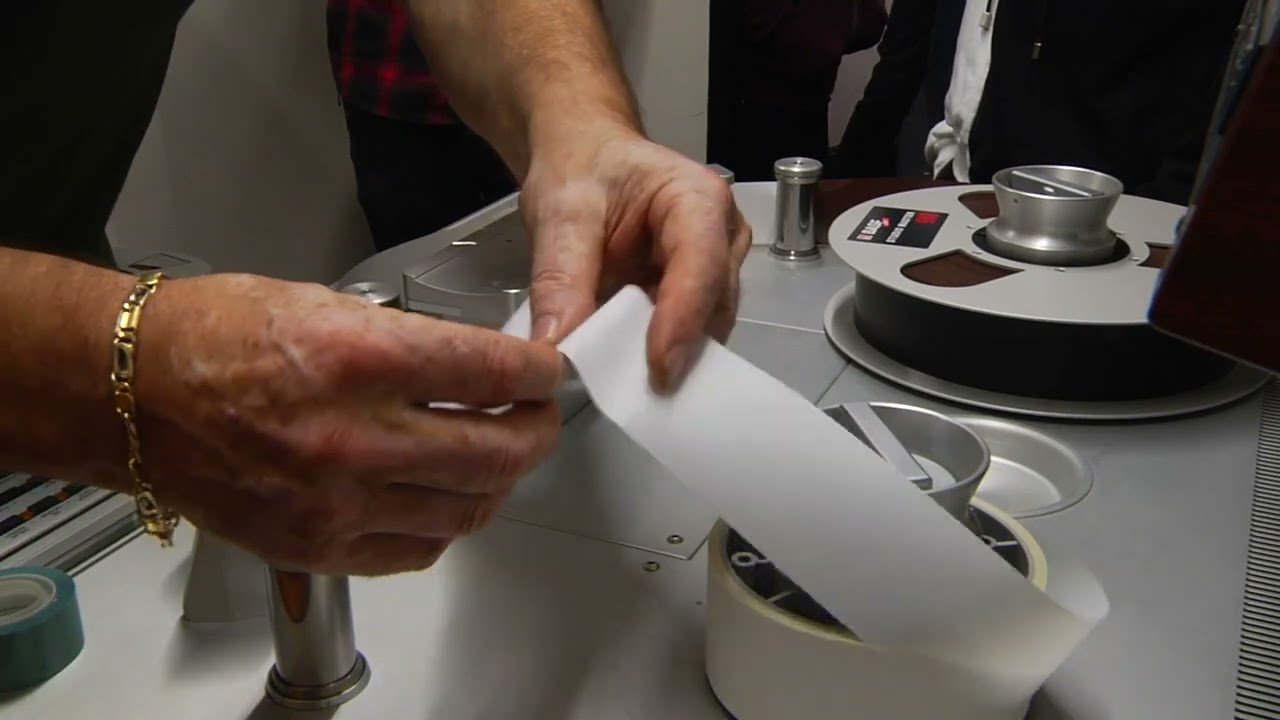
Chris Kimsey demonstrating a 2-inch tape edit, November 2018.
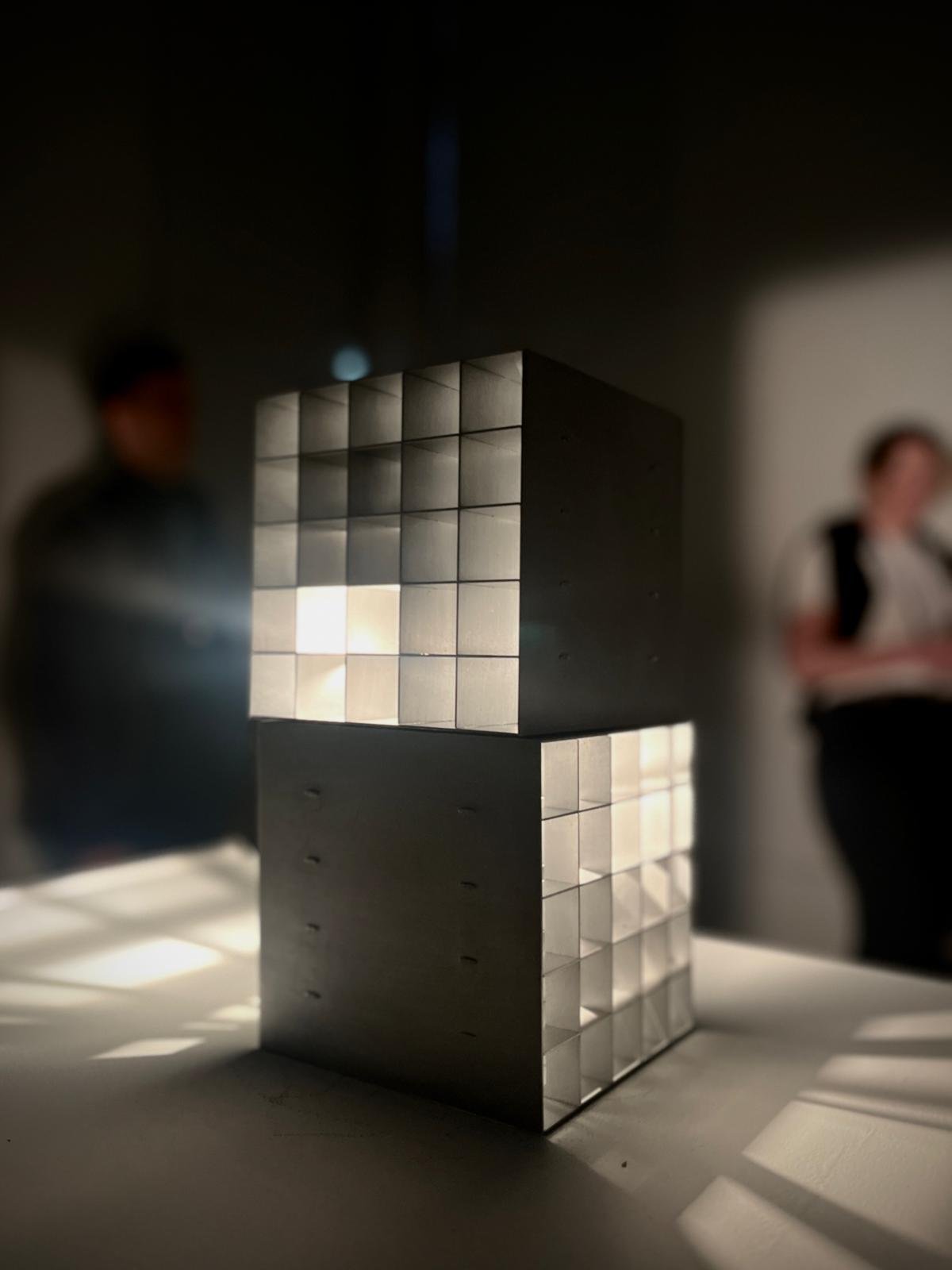
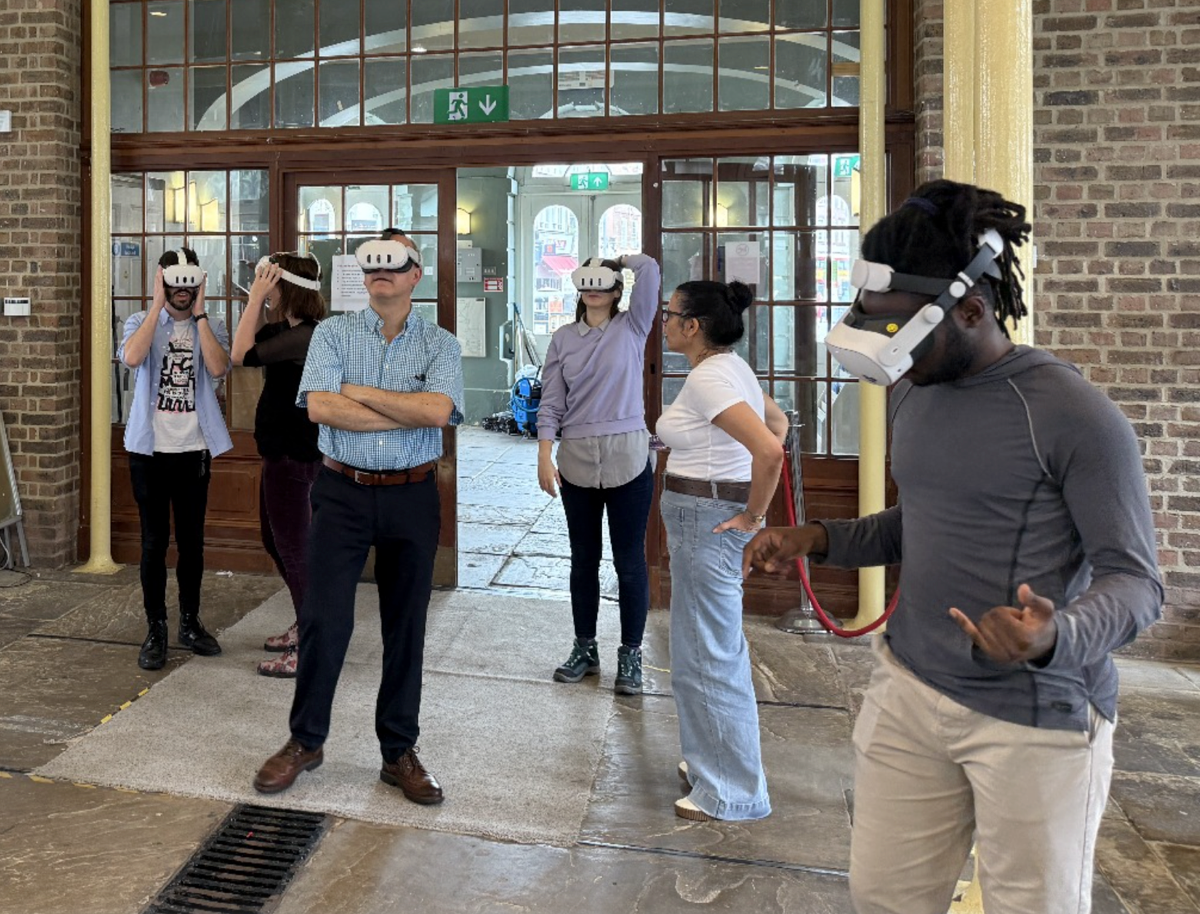
The live room can accommodate study days, conferences, book launches and concerts.
In 2016 we hosted Tony Visconti for a public talk focussing on his legendary string arrangements. In 2018 we invited Tony back, along with his Holy Holy bandmate (drummer and ex-Spider from Mars) Woody Woodmansey to talk in-depth about their involvement in David Bowie's 1971 album The Man Who Sold The World.
In 2019 the studio hosted a day-long symposium on Scott Walker's late-period work with his producer Pete Walsh, the critic Pete Paphides, and a book launch for Scott Wilson's monograph Scott Walker and the Song of the One-All-Alone (2019).
In November 2026 it hosts Late Bowie: Legacy, Mortality and the Archival Impulse, a two-day international conference on David Bowie's final creative period, with the room available for performance and sound-based work as well as papers.
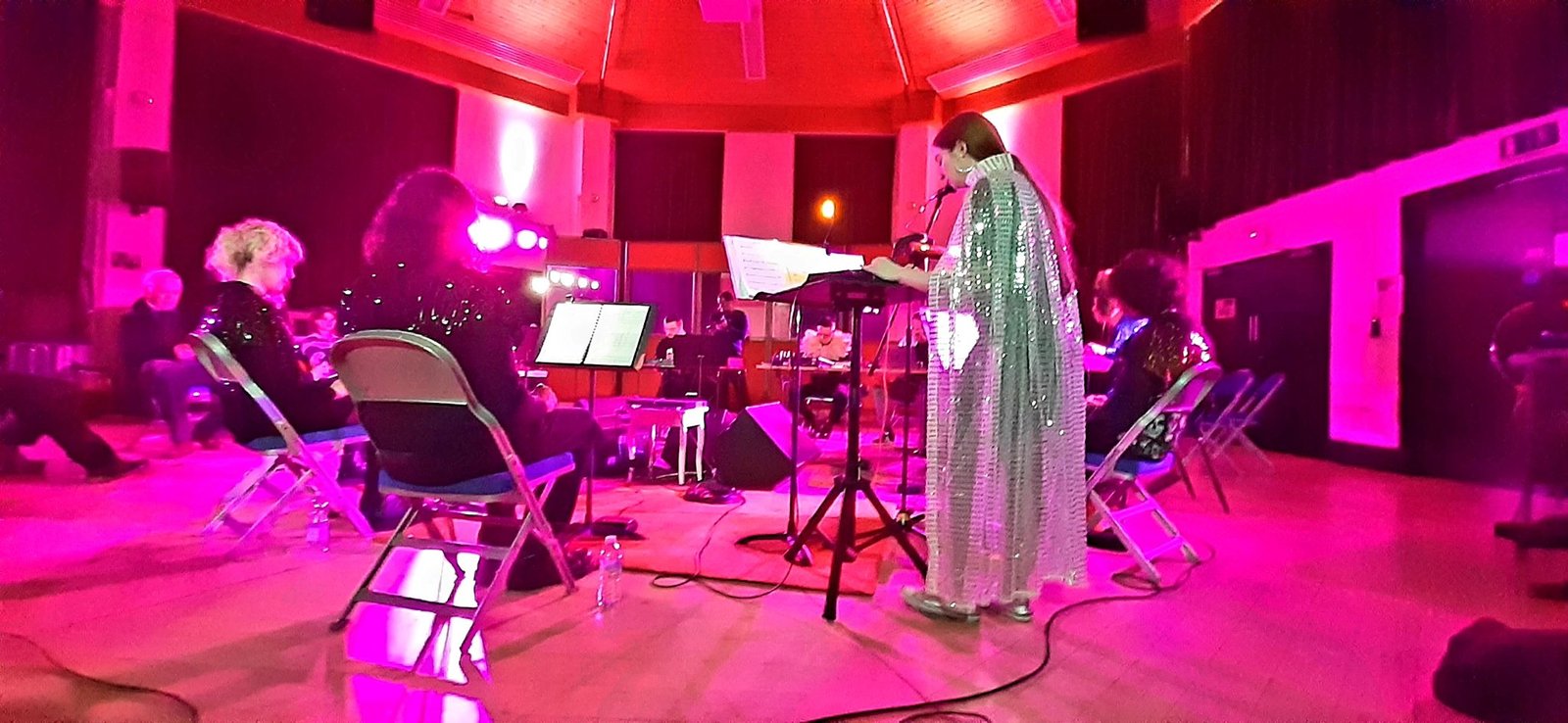
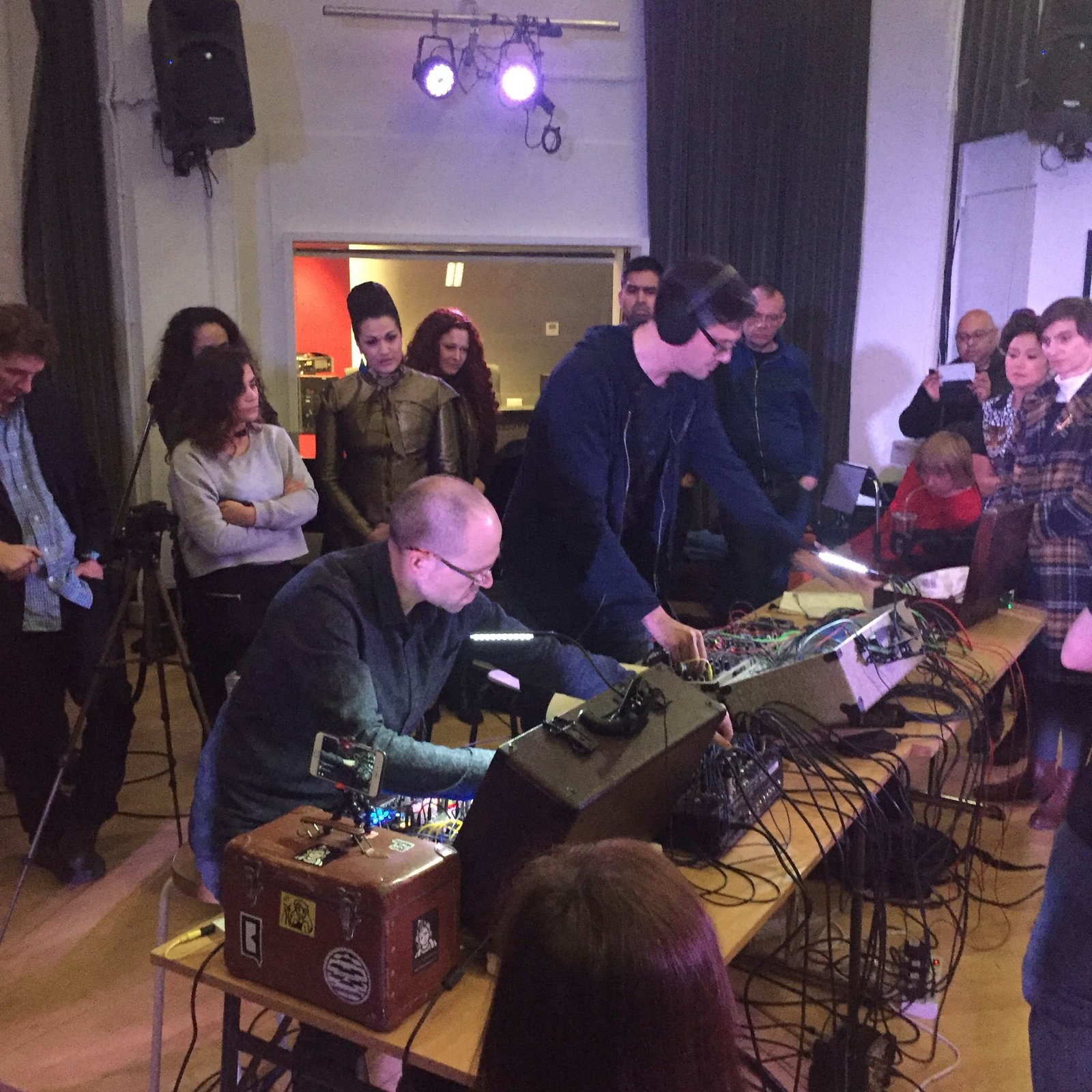
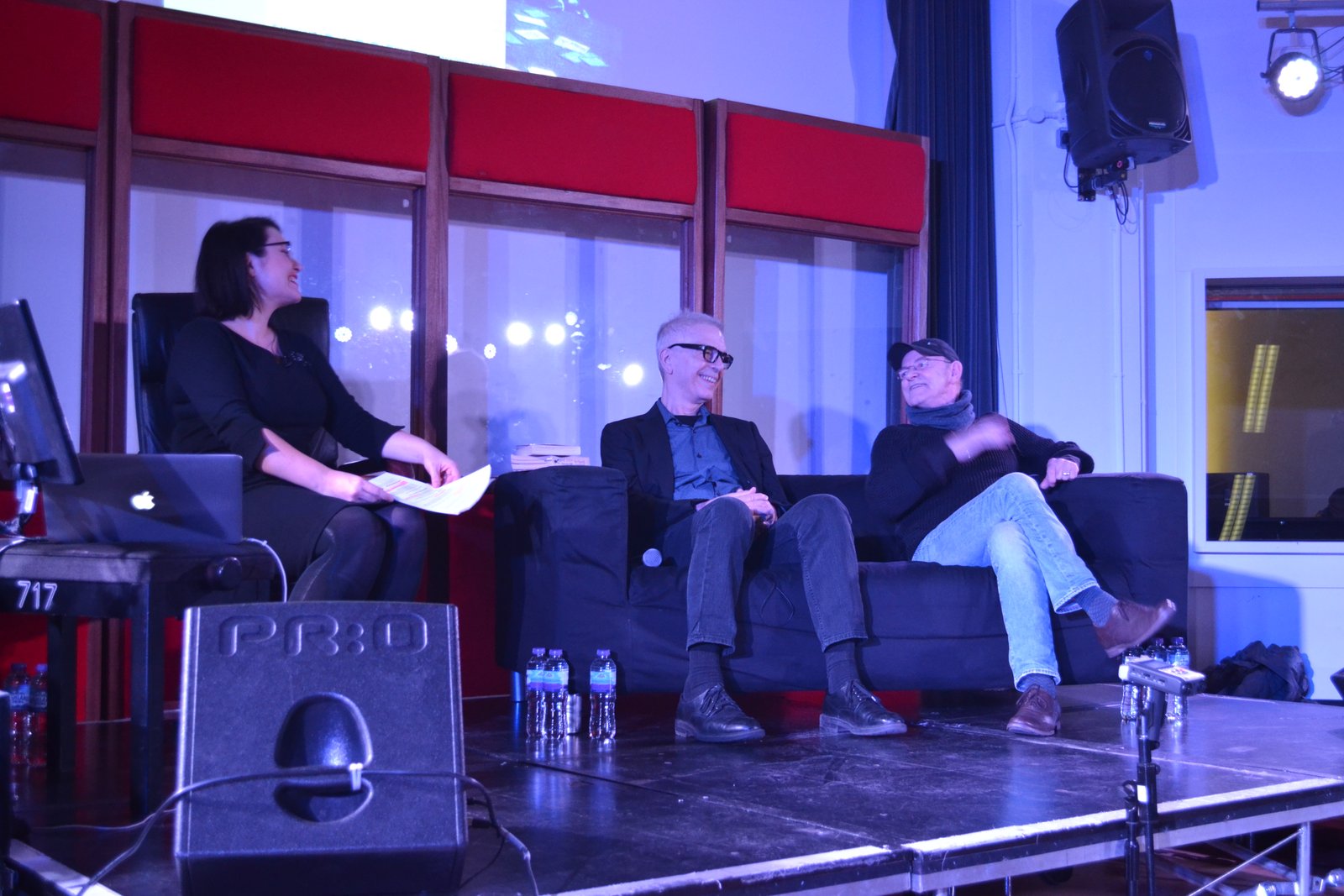
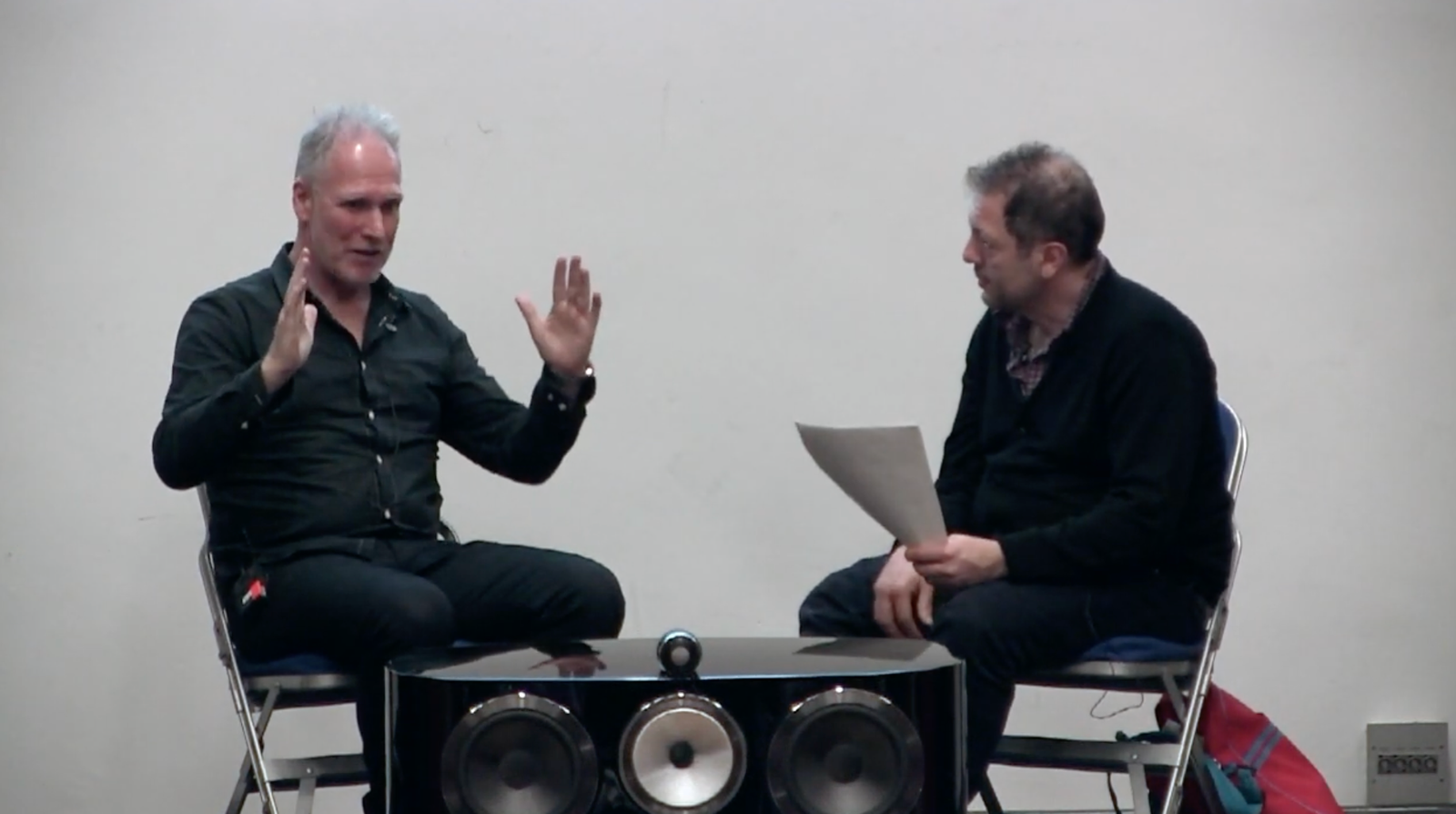
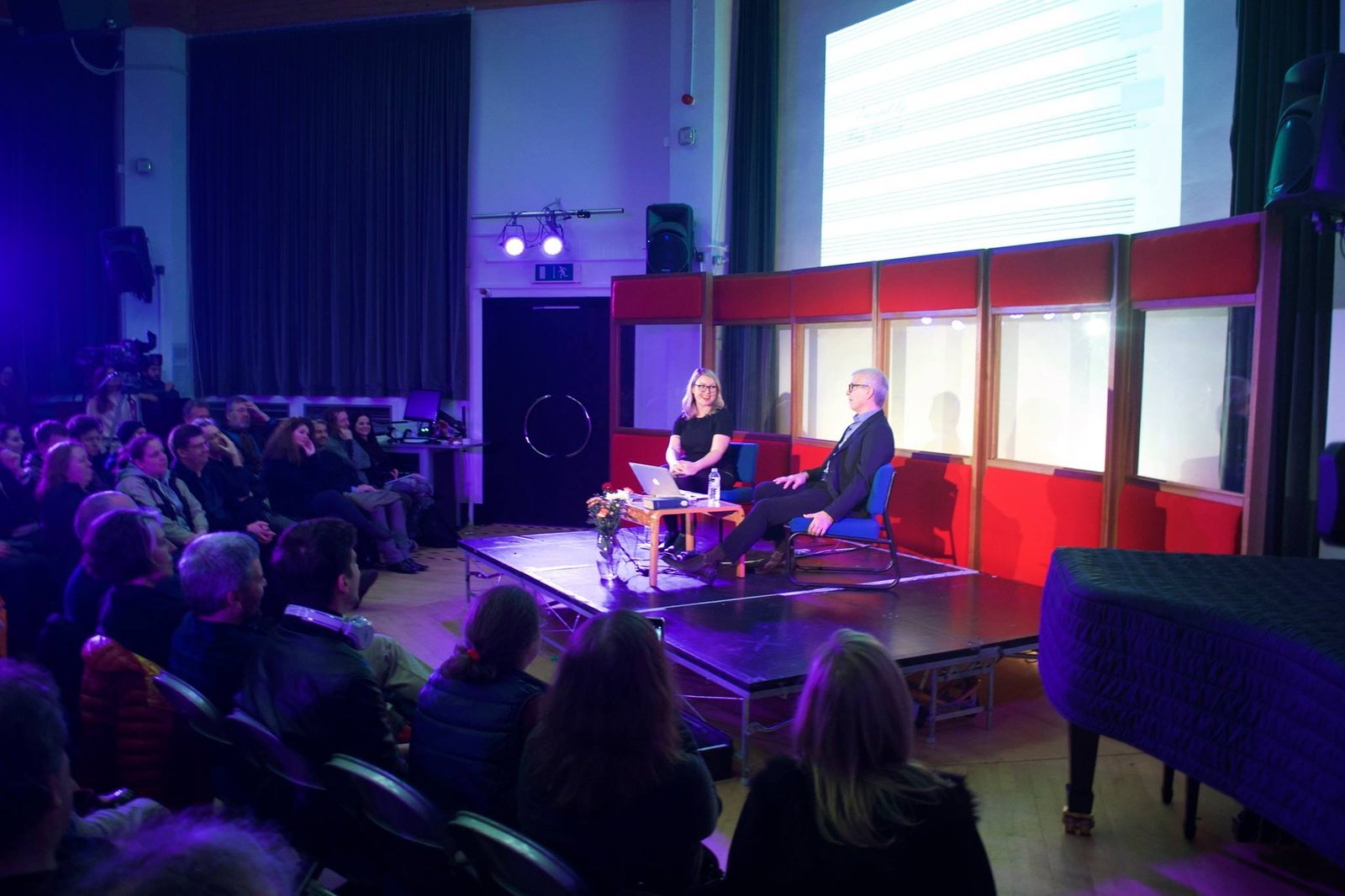
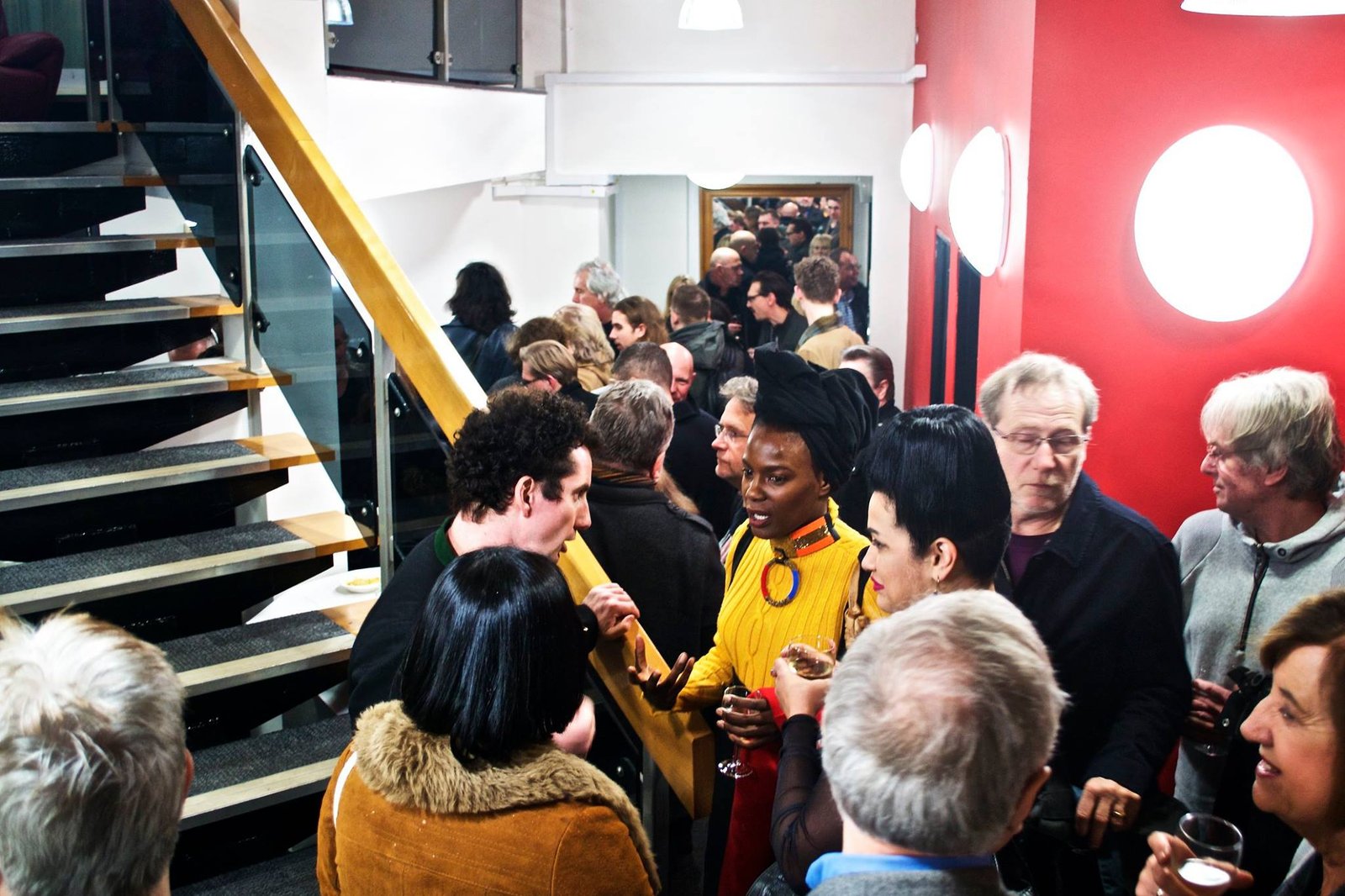
The Winterschool programme brought senior producers into the studio for week-long residencies, working on real sessions with students and researchers alongside them. Tony Visconti led the first in February 2017, Chris Kimsey the second in February 2019, and Peter Walsh the third in February 2020. The first lockdown followed in March.
Winterschool is paused while we redesign it. The next version has to do two things the first did not: bring women producers into the room, and pay for itself. Watch this space!